
How Much Does It Cost To Advertise on Streaming TV?

Advertising On Streaming TV Is An Effective & Affordable Solution For Businesses Of All Sizes In recent years, the landscape of television advertising has undergone a significant transformation. The rise of streaming platforms such as Paramount+ , YouTube TV, Amazon Prime Video, Pluto, Roku and More has created new opportunities for businesses of advertisers to reach customers in s cost effective way. This article explores the benefits and costs of advertising on streaming TV, providing insights for brands considering this modern advertising avenue. 1. Costs of Advertising on Streaming TV Advertising on streaming platforms can be more cost-effective compared to traditional television. While prime-time slots on major networks can be exorbitantly priced, many streaming services offer competitive rates. Advertisers can choose from various pricing models, such as cost-per-thousand impressions (CPM) or cost-per-view (CPV), allowing for more flexible budgeting. Additionally, the ability to measure and optimize campaigns in real-time means that brands can adjust their strategies quickly to maximize return on investment (ROI). Costs can vary widely between platforms and chage die to demand and targeting. But many platforms start around $15 per 1000 ads, well within reach of small and medium sized businesses marketing budgets 2. Targeted Advertising One of the most significant advantages of streaming TV advertising is the ability to target specific audiences with precision. Unlike traditional TV, which broadcasts to a broad demographic, streaming platforms collect extensive data on viewers’ preferences, behaviors, and demographics. This data allows advertisers to segment audiences and deliver tailored ads that resonate with specific viewer groups. For example, brands can target ads based on age, location, viewing habits, and interests, leading to higher engagement and conversion rates. 3. Measurement and Analytics Streaming platforms offer robust analytics tools that allow advertisers to track the performance of their campaigns in real-time. Metrics such as view-through rates, engagement levels, and conversion rates provide valuable insights into how ads are performing. This data enables brands to refine their strategies and optimize future campaigns based on what resonates with their target audiences. Such measurement capabilities were often lacking in traditional TV advertising, where effectiveness could be harder to gauge. 4. Campaign Duration and Timing Because most campaigns are based on auction and real time bidding, the timing of the ad campaign (e.g., during peak viewing times or special events) can also affect costs. Advertising during high-demand periods, such as holidays or popular event weekends, may lead to higher rates. Advertising on streaming TV presents a unique set of benefits for businesses of all sizes. The ability to target specific audiences, engage viewers interactively, and measure campaign performance offers significant advantages over traditional television advertising. As the streaming landscape continues to evolve, those who adapt their strategies effectively will likely find success in this dynamic advertising environment.
Google Search Console

Why Google Search Console is Crucial for Understanding Your Customers One of the most vital tools for businesses is understanding how their customers interact with their website. Google Search Console (GSC) is a free service offered by Google that allows webmasters, marketers, and business owners to track and analyze the performance of their website in search results. More than just a technical tool, GSC provides valuable insights into customer behavior, search intent, and engagement. In this article, we’ll explore why Google Search Console is essential for learning about your customers. 1. Discover What Drives Organic Traffic One of the key features of Google Search Console is its ability to show what search queries lead customers to your website. In the “Performance” report, you can analyze which keywords or phrases people are using in Google search to find your website. This is critical information, as it allows you to understand your customers’ interests, pain points, and needs. For example, if you run a fitness blog, and GSC shows that users are frequently finding your site by searching for “at-home workout tips,” this tells you that customers are seeking guidance on exercising from home. You can then optimize your content around this keyword to cater more directly to what your audience is actively looking for, ultimately driving more organic traffic. 2. Identify High-Value Pages and Content Understanding which pages of your site are performing well is crucial to refining your content strategy. Google Search Console provides data on how individual pages are ranking in search results, their click-through rate (CTR), impressions, and the average position in search. This helps you assess which content resonates with your audience the most and which pages need improvement. For instance, if a product page on your e-commerce website is receiving high impressions but a low CTR, it suggests that users are seeing your page in search results but aren’t clicking through. This may indicate the need to improve your meta description, title tags, or perhaps adjust the page content to better match search intent. 3. Understand Mobile vs. Desktop Behavior With mobile traffic continuing to surpass desktop in many industries, understanding how your customers interact with your site across different devices is essential. Google Search Console allows you to filter performance data by device type—desktop, mobile, or tablet—giving you a clear view of how user behavior differs across platforms. For example, if you notice that mobile users are bouncing off a particular landing page more frequently than desktop users, this could signal a problem with mobile optimization or loading speed on mobile devices. This insight can help you tailor your site to ensure it delivers an optimal experience across all devices, enhancing customer satisfaction and retention. 4. Fix Issues Before They Impact User Experience Google Search Console doesn’t just help you track performance; it also alerts you to technical issues that can affect your customers’ experience on your site. Whether it’s mobile usability problems, crawling errors, or security issues like malware, GSC provides actionable insights to help you fix these problems before they impact your search rankings or user experience. If your website has pages that are slow to load, broken links, or isn’t mobile-friendly, customers are likely to leave before they even engage with your content. Google Search Console allows you to detect and resolve these issues, ensuring that your site offers a smooth and efficient user experience, which in turn keeps your customers satisfied. 5. Analyze Search Intent for Customer Behavior Trends Search intent—what a user is actually looking to achieve when they enter a query into Google—gives you deep insights into customer behavior. Google Search Console shows not only the keywords people use but also how they interact with your site after landing there. This can reveal trends in customer interests, allowing you to tailor your content strategy accordingly. For instance, if people who search for “budget travel tips” tend to spend more time on a particular blog post on your travel website, this suggests that they’re finding value in that content. You can then create more content around budget-friendly travel ideas, knowing that this is something your audience is actively searching for and engaging with. Google Search Console is a powerful tool that not only helps you track and optimize your website’s performance but also provides key insights into your customers. By understanding what drives organic traffic, identifying high-value pages, analyzing device usage, and resolving technical issues, you can create a better user experience and meet your customers’ needs more effectively. Ultimately, leveraging GSC enables you to make data-driven decisions that will help grow your business and strengthen your relationship with your audienc
The Battle For Ad Viewers

Connected TV vs. YouTube vs. Traditional TV: A Battle for Advertisers The advertising landscape has undergone a seismic shift in recent years. The rise of digital platforms has presented both challenges and opportunities for advertisers. In this evolving ecosystem, Connected TV (CTV) and YouTube have emerged as key players, each with its unique strengths and weaknesses. Affordability: Stretching Your Advertising Dollar Traditional Television: Historically, television advertising has been synonymous with big budgets. Prime-time spots on major networks command astronomical prices. While this guarantees broad reach, it can be prohibitively expensive for many businesses, especially small and medium-sized enterprises (SMEs). YouTube: In contrast, YouTube offers a more accessible entry point. Advertisers can set specific budgets and target their campaigns to reach a particular audience. While costs can escalate for high-demand ad placements, the platform generally provides more flexibility in terms of spending. Connected TV: CTV advertising sits somewhere between the two. While it often requires a larger investment than YouTube, it is generally more affordable than traditional television. As the CTV market matures, competition is increasing, which could lead to further price increases. Targeting Precision: Hitting the Right Audience Traditional Television: Traditionally, television advertising has relied on broad demographics for targeting. Advertisers could buy time slots during programs popular with a specific age group or gender, but precision was limited. YouTube: YouTube offers unparalleled targeting capabilities. Advertisers can pinpoint their audience based on demographics, interests, search history, and even specific videos watched. This level of precision allows for highly targeted campaigns with maximum impact. Connected TV: CTV advertising is rapidly catching up in terms of targeting. While it might not match YouTube’s granular level of detail, CTV platforms are increasingly leveraging data to deliver more relevant ads to specific audiences. The Battle for Viewers While affordability and targeting are crucial, the ultimate goal of advertising is to reach viewers. Traditional Television: Despite the rise of digital platforms, traditional television still boasts a massive audience. However, viewership is fragmenting as more people cut the cord. YouTube: With billions of monthly users, YouTube has an enormous reach. The platform’s popularity, especially among younger demographics, makes it a compelling option for advertisers. Connected TV: CTV is experiencing rapid growth as more consumers embrace streaming services. This platform offers a blend of traditional television’s reach and digital advertising’s targeting capabilities, making it an attractive option for many advertisers. Conclusion The choice between Connected TV, YouTube, and traditional television depends on various factors, including budget, target audience, campaign goals, and overall marketing strategy. For businesses seeking broad reach and a mass audience, traditional television might still be a viable option. However, the increasing cost and declining viewership make it less attractive for many advertisers. YouTube offers a balance of affordability and targeting, making it a popular choice for businesses of all sizes. Its vast user base and data-driven approach make it a powerful platform for reaching specific audiences. Connected TV is emerging as a strong contender, combining the scale of traditional television with the targeting capabilities of digital advertising. As the platform matures and competition increases, it is likely to become an even more attractive option for advertisers. Ultimately, a successful advertising strategy often involves a multi-platform approach. By carefully considering the strengths and weaknesses of each channel, businesses can develop effective campaigns that deliver results.
Affordable Alternatives To Paid Facebook Ads For Any Sized Busines

Why Relying Solely on Boosting Facebook Posts Isn’t Enough for Your Business: Exploring Viable Alternatives In the ever-evolving digital marketing landscape, businesses often grapple with the challenge of maximizing their reach and engagement through paid advertising. Boosting Facebook posts is a common tactic employed by many, but solely relying on this strategy can limit the potential of your marketing efforts. Diversifying your approach can significantly enhance your brand’s visibility and impact. In this blog, we’ll explore why you shouldn’t just rely on boosting Facebook posts and highlight affordable and effective alternative advertising channels like YouTube ads, streaming TV, digital display ads, and digital audio/podcast advertising as viable options for businesses of any size. The Limitations of Boosting Facebook Posts Boosting Facebook posts can be a quick and easy way to increase the visibility of your content. It allows you to reach a broader audience and can be effective for certain objectives such as driving traffic to a website or increasing page likes. However, this approach comes with several limitations: Limited Targeting Capabilities: While Facebook offers targeting options, they are not as robust as those available through its Ads Manager. Boosting posts often means missing out on advanced targeting features that can help you reach a more precise audience. Short-Term Impact: Boosting posts is typically a short-term strategy. Once the budget is exhausted, the visibility of the post decreases significantly. This can lead to inconsistent engagement and requires constant reinvestment. Reduced Creative Control: Boosting posts offers limited creative flexibility compared to other advertising formats. Businesses are restricted to using existing posts, which may not always be the best fit for their marketing goals. Algorithm Dependence: The reach of boosted posts is heavily dependent on Facebook’s algorithm, which can change frequently and impact the effectiveness of your campaigns. Exploring Affordable Alternative Advertising Channels Small businesses have the same access to the marketing platforms that major corporations have. Here are four alternative channels that can complement or even outperform boosted Facebook posts: 1. YouTube Ads YouTube, with its massive user base, offers a powerful platform for video advertising. Businesses can leverage various ad formats such as skippable and non-skippable ads, bumper ads, and sponsored cards with most YouTube Campaigns costing just pennies per ad! Wide Reach: YouTube is the second largest search engine, making it an excellent platform to reach a broad and diverse audience. Engaging Content: Video ads are highly engaging and can effectively convey your brand’s message, story, or product benefits. Advanced Targeting: YouTube’s integration with Google Ads allows for sophisticated targeting based on demographics, interests, and behavior. 2. Streaming TV Ads Streaming TV, or over-the-top (OTT) advertising, is becoming increasingly popular as more consumers shift away from traditional cable TV to streaming services. High Engagement: Streaming TV ads are less likely to be skipped, ensuring your message is seen. Premium Audiences: Ads on platforms like Hulu, Roku, and Amazon Prime reach engaged viewers who are often more affluent and tech-savvy. Targeted Advertising: OTT platforms offer advanced targeting options, allowing you to reach specific audience segments with tailored messages. Affordable Pricing: Streaming TV ads can range between $20-$80 per 1000 ads. That means a lot of bang for your buck 3. Digital Display (Website Banners) Ads Digital display advertising encompasses a range of formats, including banner ads, rich media, and interactive ads that appear on websites and apps. Versatile Formats: Display ads can be static, animated, or interactive, providing creative flexibility. Widespread Reach and Targeting: Display networks like Google Display Network can place your ads on millions of websites, reaching a vast audience. Target specific groups of people to maximize your marketing’s impact. Remarketing Opportunities: Display ads are excellent for retargeting campaigns, helping you re-engage users who have previously interacted with your website or app. 4. Podcast Advertising Podcasts have surged in popularity, offering a unique and intimate way to connect with audiences. Engaged Audience: Podcast listeners are highly engaged and often develop a strong trust with the hosts, leading to higher ad recall and conversion rates. Niche Targeting: Podcasts cover a wide array of topics, allowing you to target very specific audience segments that align with your brand. Native Integration: Ads can be seamlessly integrated into podcast content, making them less intrusive and more natural to listeners. Conclusion While boosting Facebook posts can be a part of your paid marketing strategy, it should not be your sole approach. Diversifying your advertising channels with YouTube ads, streaming TV ads, digital display ads, and podcast advertising can provide a more comprehensive and effective marketing strategy. Each of these platforms offers unique benefits that can help you reach and engage with your target audience in more meaningful ways. By leveraging these alternatives, businesses of any size can enhance their visibility, engagement, and ultimately, their ROI. Learn more about the above option and more here and contact us with any questions about digital marketing
The Power of Listening: Why Social Listening is Essential for Businesses

Why Social Listening is Essential for Businesses Social media has become an undeniable force. It’s a platform for connection, communication, and, most importantly for businesses, a great source of customer insights. But simply having a social media presence isn’t enough. To truly thrive, businesses need to actively listen to what their audience is saying. This is where social listening comes in. What is Social Listening? Social listening goes beyond just monitoring brand mentions. It’s the process of gathering and analyzing online conversations to understand your audience, brand perception, and industry trends. This includes capturing mentions of your brand, competitors, relevant keywords, and industry topics across various social media platforms, online forums, and review sites to create a picture of your brand’s strengths and weaknesses in the eyes of consumers. Why is Social Listening Important? Understanding Your Audience: By “listening” to online conversations, you can gain a deeper understanding of your target audience’s needs, preferences, and pain points. This allows you to tailor your messaging, products, and services to better resonate with them. Improving Customer Service: Social listening helps you identify customer issues and concerns in real-time. You can then proactively address these issues, demonstrate responsiveness, and improve overall customer satisfaction. Building Brand Reputation: Social media is a breeding ground for brand sentiment. Social listening allows you to track brand mentions and identify areas where your reputation needs improvement. You can then address negative feedback promptly, engage with positive comments, and proactively build a strong brand image. Competitive Analysis: Social listening isn’t just about you; it’s about understanding your competitors as well. By monitoring their social media activity, you can gain insights into what resonates with customers. Crisis Management: Social media crises can erupt quickly and spread like wildfire. Social listening allows you to identify potential issues early on and develop a swift and effective response plan. Conclusion Social listening is no longer an option; it’s a necessity. By actively listening to your audience, you gain invaluable insights that can empower you to make data-driven decisions, build stronger customer relationships, and achieve sustainable business growth. So, start listening – your customers are waiting to be heard. Learn more about our social media management service here: https://lakestonedigital.com/social-media-management/
Unlocking the Power of Geofencing in Digital Marketing: A Guide for Businesses
Unlocking the Power of Geofencing in Digital Marketing: A Guide for Businesses In today’s digitally driven world, where consumers are constantly connected through their smartphones and other devices, businesses can reach their target audience with precision and relevance. The capabilities of geofencing in digital marketing strategies, businesses can create highly targeted and personalized experiences for their customers, driving engagement, foot traffic, and ultimately, sales. Understanding Geofencing Geofencing is a location-based technology that uses GPS, RFID, Wi-Fi, or cellular data to create virtual boundaries around real-world geographic areas. These virtual perimeters, or “geofences,” can range in size from a few meters to several kilometers and can be customized to suit specific marketing objectives. When a user enters or exits a geofenced area, it triggers a predefined action, such as sending a push notification, displaying an ad, or collecting data for analytics. What Can You Do With Geofencing in Digital Marketing 1. Targeted Advertising: Geofencing allows businesses to deliver highly targeted ads to users based on their real-time location. For example, a retail store can set up geofences around its physical locations and send promotions or discounts to nearby customers to entice them to visit the store. Similarly, a restaurant can target commuters passing by during lunchtime with an offer for a quick meal. 2. Enhanced Personalization: By using geofencing data with other customer information, businesses can create personalized marketing messages tailored to individual preferences and behaviors. For instance, a sports apparel company can send exclusive offers to users that attended a major sporting event in their area, capitalizing on their interest in the event and driving conversion rates. 3. Event Marketing: Geofencing is particularly effective for event marketing, allowing businesses to target attendees with relevant promotions and information. Event organizers can create geofences around the event venue and nearby areas to engage attendees before, during, and after the event, driving ticket sales, participation, and brand awareness. Example: clothing store A clothing store whose shoppers frequent other stores—like H&M, for example—can use geofencing to target those who are within 100 feet of an H&M and serve them a real-time offer. They can also use geoframing for historical visitation targeting to reach people who have been to H&M’s within the last month or have similar visitation history.] Example: organic food brand Niche companies, like an organic food brand, can use geofencing to reach shoppers at several supermarkets in real-time to promote their product while they’re in the grocery store. Then, they can use geoframing to reach historical Whole Foods shoppers, those who go to yoga studios, people who attend certain festivals, etc. Example: a gym A gym can use geofencing to target people on their mobile device in real-time whenever they’re at an activewear store, running shoe stores, protein smoothie shop, etc. They can also use geoframing to reach them after-the-fact. Example: public service A public service company, like a food access nonprofit, can utilize geoframing to target lower-income users in parks, libraries, etc. as an informative tactic to let them know of their services. Conclusion Geofencing gives businesses with a powerful tool to enhance their digital marketing efforts, enabling them to deliver targeted, personalized experiences to their customers based on their real-time location and places that they’ve visited. Contact us to get started with geofencing. Learn more about digital advertising option here: https://lakestonedigital.com/online-advertising/
Google Algorithm Update March 2024
Uh Oh…Google Just Updated Their Algorithm For Search. What It Means For Your Website. Google’s algorithm updates have always been a focal point for website owners and digital marketers, shaping the online landscape and determining the visibility of content in search results. However, the March 2024 update sent shockwaves through the online community as numerous websites suddenly found themselves completely removed from Google’s search index. The aftermath of this update was profound, prompting website owners to reevaluate their strategies and understand the implications of Google’s evolving approach to ranking websites. One of the most striking aspects of the update was its emphasis on eliminating low-quality, irrelevant, and unoriginal content from search results. Google’s goal was clear: to improve the search experience for users by prioritizing high-quality, valuable content. In its announcement on March 5, Google highlighted its commitment to reducing the presence of websites that offered little to no value to users. This included sites that engaged in tactics aimed at manipulating search rankings, such as keyword stuffing or content duplication. The update promised to remove up to 40% of low-quality websites from search results, a significant move towards enhancing the quality of search results. One of the key factors that Google considered in its evaluation of websites was expertise, authority, and trustworthiness (E-A-T). Websites that lacked depth of knowledge or expertise in their respective fields were particularly susceptible to penalties. This underscored the importance of producing high-quality, authoritative content that provided genuine value to users. In addition to targeting low-quality content, Google’s update also took aim at websites that relied on automated content generation, particularly those with outdated or error-filled content. This further reinforced the importance of producing original, accurate content that met the needs of users. The impact of the March 2024 update was felt across the SEO community, with both large and small websites experiencing significant changes in their search rankings. Even smaller AI content sites, which had previously flown under the radar, found themselves under scrutiny as Google refined its ability to detect automated content generation. Despite the upheaval caused by the update, it also presented an opportunity for website owners to reassess their strategies and focus on producing high-quality, user-centric content. By prioritizing expertise, authority, and trustworthiness, website owners could align themselves with Google’s ranking criteria and improve their chances of maintaining visibility in search results. Moving forward, website owners must remain vigilant and adapt to Google’s ever-evolving algorithms. This includes regularly auditing their sites to ensure compliance with Google’s guidelines and making necessary adjustments to improve content quality and user experience. Ultimately, the March 2024 update served as a reminder of the importance of quality over quantity in the world of SEO. By focusing on producing original, valuable content that meets the needs of users, website owners can navigate Google’s updates and maintain a strong presence in search results.
The 5 Biggest Mistakes Business Owners Make With Their Marketing

The 5 Biggest Mistakes Business Owners Make With Their Marketing Marketing is a critical aspect of any small business’s success, and avoiding common mistakes can make a significant difference in achieving growth and profitability. Here are five top marketing mistakes small businesses often make: 1. Undefined Target Audience: Failing to clearly define the target audience is a common mistake. Without a clear understanding of who your customers are, their needs, preferences, and where to find them, your marketing efforts may be scattered and ineffective. Small businesses should invest time in market research to identify their target audience and tailor their marketing strategies accordingly. 2. Failure to Track and Analyze Results: You can’t make good decisions about your marketing efforts if you don’t know what is or isn’t working. Many small businesses fail to track the performance of their marketing efforts or neglect to analyze the data effectively. Without proper measurement and analysis, it’s challenging to determine which marketing strategies are working and which ones need adjustment. You may be getting a lot of clicks. But are they staying on your site? What traffic sources bring the most sales or leads? Implementing tools like Google Analytics (below from one of our clients), tracking key performance indicators (KPIs), and regularly reviewing marketing metrics can provide valuable insights and inform future marketing decisions. 3. Lack of Consistency: Consistency is key in marketing. Many small businesses make the mistake of being inconsistent with their messaging, branding, and frequency of communication. This inconsistency can confuse customers and dilute brand identity. Establishing a consistent brand voice, visual identity, and posting schedule across all marketing channels helps build trust and recognition among your audience. 4. Overlooking Customer Retention: While attracting new customers is important, retaining existing ones is equally crucial. Look at the Google Analytics example above. Three of the top 10 sources of traffic for this week were from email marketing to existing customers (newsletter, Southern & Northern Climates). Small businesses often focus too much on acquiring new customers and overlook the value of nurturing relationships with current ones. Implementing strategies such as personalized communication, email marketing, loyalty programs, and excellent customer service can help retain customers and drive repeat business. 5. Ignoring Online Presence: In today’s digital age, having a strong online presence is essential for small businesses. However, some still neglect this aspect or underestimate its importance. Whether it’s through a website, social media platforms, or online directories, businesses need to establish and maintain a robust online presence to reach a wider audience, build credibility, and facilitate customer engagement. Avoiding these common marketing mistakes can help small businesses optimize their marketing efforts, reach their target audience more effectively, and ultimately achieve greater success. We can provide a free analysis of your business and offer some ideas to improve your marketing efforts.
Top 5 Free Digital Marketing Tools For Small Business Owners
The Top 5 Free Small Business Digital Marketing Tools Marketing can be a big expense for small business owners, but it doesn’t have to be. There are a number of free marketing tools that can be just as effective as their paid counterparts. Here are five of the best. Google Business Profile A business profile on Google is essentially a free listing in the world’s largest directory. It’s an easy way to make sure your business is visible to potential customers who are searching for what you offer. Plus, it includes some basic information about your business, like your hours and location. You can and should also post regularly to your business profile like you would on Facebook or any other social media platform. Setting up a business profile is quick and easy, and it’s something every small business owner should do. Google Search Console Google Search Console is a free web-based tool that allows you to monitor and improve your website’s performance in Google search results. It’s especially useful for tracking keywords and identifying areas where your website could be improved to rank higher in search results. Best of all, it’s free to use. Google Analytics Google Analytics is a powerful, yet free, website analytics tool. It provides detailed insights into your website traffic, including where your visitors come from and what they do on your site. This data can be incredibly valuable in fine-tuning your marketing efforts and making sure you’re getting the most bang for your buck. And, like the other Google tools on this list, it’s free to use. Mailchimp Mailchimp is a widely used email marketing service that offers a free plan for small businesses. With Mailchimp, you can send newsletters, special offers, and other marketing emails to stay in touch with your customers and grow your business. The free plan includes up to 500 subscribers and 2500 email sends per month. Hootsuite Hootsuite is a social media management platform that offers a limited free plan. With the free plan, you can connect up to three social media accounts (Facebook, Twitter, and LinkedIn), schedule up to 30 messages per month, and receive basic analytics reports. While the free plan is rather limited, it’s still a valuable tool for small businesses looking to get started with social media marketing. There’s no need to break the bank when it comes to marketing your small business. There are plenty of effective marketing tools available for free. From setting up a listing in Google’s directory to using Mailchimp for email marketing, these five tools will help you get the most out of your marketing budget without spending a dime.
How Do Customers Find Your Business On Google?
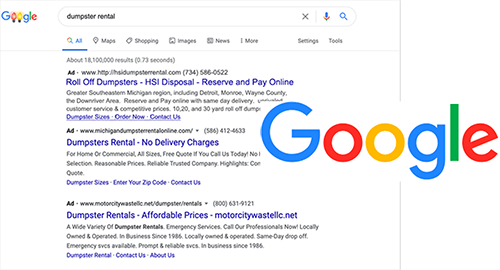
How To Get Your Business To Rank Higher on Google. I get asked all of the time “How do I get my business to show up on Google?” It’s a great question and an important one. The fact is, there are many ways to rank higher on Google. It depends on a couple of factors…Time and Money (I’m sure you’ve heard that one before) But today I’m going to focus on the first thing you should do when starting your digital marketing online. What is your Google Business Profile? You see these listing every day. Search a business or location and on the right side of the screen is a listing about the business. It usually includes the hours, a link to the website, address and other pertinent information about the organization. Google will auto generate this page based on the best available information. But this is your business and shouldn’t you decide what is listed? 1. Claim your Business I have a client who is an insurance agent and runs a small targeted online ad campaign with me in an affluent area north of Detroit. He called me up one day and said he was getting a bunch of referrals coming in that said they found him on Google. I was excited because it looked like the ad campaigns we’re really paying off. Then he mentioned they were from the city of Detroit and other areas that we weren’t even targeting with our digital advertising campaign. He was confused because when he searched his agency, nothing came up. He asked if it was something I was doing with the marketing campaign. As much as I would have liked to take credit, I replied that I didn’t think the campaign had anything to do with it. I started investigating. It turns out that the agent who ran the office prior to my client had a generic profile with just the name of the company (large Michigan Based Insurance Company) and phone number and address. With nearly 15,000 searches in the prior quarter alone we found the source of the inquiries. After a quick call to the prior agent, we were able to get the necessary permissions to get control of the profile and start to optimize it. 2. Keywords and Business Information The screen shot is the dashboard profile for my company, Lakestone Digital. As you can see I’ve listed myself as a marketing agency first and then Graphic Designer, Web Site Designer, Video Production and so on. These are all the services we provide under the marketing category. We’ve also listed my service areas too so that Google knows when to show my ad during a search. I recently had a discussion a prospective client about her business and their digital marketing. She is an optometrist that runs offices in my area. She mentioned her listings they show up high on Google for the search terms eye doctor, optometrist, eye exam etc. I typed in the word eyeglasses. Guess What? They were nowhere to be found. I would bet that they have not optimized their Business Profile with all of the keywords associated with their business. The Three Pack – Local Search Once you get your page claimed and profile set up, you should now start to show up in Google’s “Three Pack” more often. This is the group of three businesses and map that shows up often when you search for a business. The screenshot is an example of the three pack. Google “randomly” selects the businesses that appear here based on a number of factors. Below is the explanation from Google. Relevance Relevance refers to how well a local listing matches what someone is searching for. Adding complete and detailed business information can help Google better understand your business and match your listing to relevant searches. Distance Just like it sounds–how far is each potential search result from the location term used in a search? If a user doesn’t specify a location in their search, Google will calculate distance based on what’s known about their location. Prominence Prominence refers to how well-known a business is. Some places are more prominent in the offline world, and search results try to reflect this in local ranking. For example, famous museums, landmark hotels, or well-known store brands that are familiar to many people are also likely to be prominent in local search results. How do you improve on these factors? Well since you cant really do anything about distance (unless you have some really killer tech) we will focus on relevance and prominence. Your Google Business Profile actually can act as a mini social media platform. This aspect is often overlooked. You can post offers, pictures, video directly to your profile. Posting this media helps a searcher understand what you do. You can also increase your prominence by customers reviewing your business. (hopefully good ones). Ask satisfied customers for reviews on Google. I usually have the page bookmarked and will ask a client in person as we are wrapping up a project. If they’re happy with with your service, they’ll have no problem writing you a short note singing your praises There are actually many other features in your Google Business Profile, but this post is starting get a little long. Hopefully, you now have basic understanding of the steps you need to take as you start your digital marketing plan to improve your ranking on Google.