How Much Should a Local Business Invest on Digital Advertising?

One of the most common questions business owners ask is whether they should advertise on Google or Facebook and Instagram (Meta). The answer depends largely on whether you’re trying to capture intent or create awareness.
Why Your Email List Is More Important Than Ever

One of the most common questions business owners ask is whether they should advertise on Google or Facebook and Instagram (Meta). The answer depends largely on whether you’re trying to capture intent or create awareness.
Google Ads vs. Meta Ads: Which Platform Is Right for Your Business?
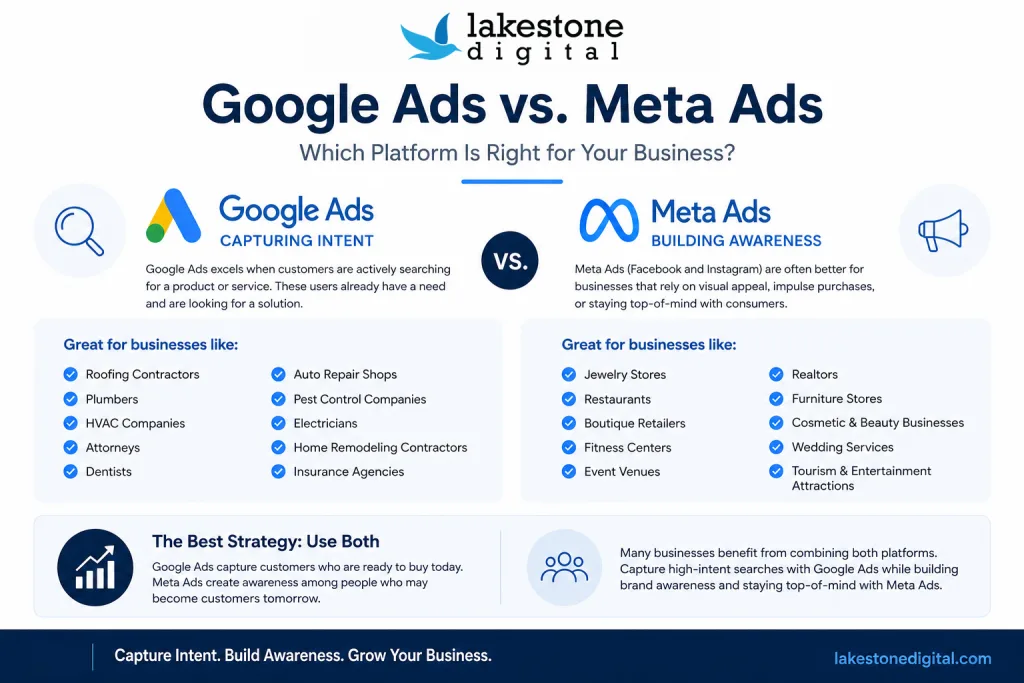
One of the most common questions business owners ask is whether they should advertise on Google or Facebook and Instagram (Meta). The answer depends largely on whether you’re trying to capture intent or create awareness.
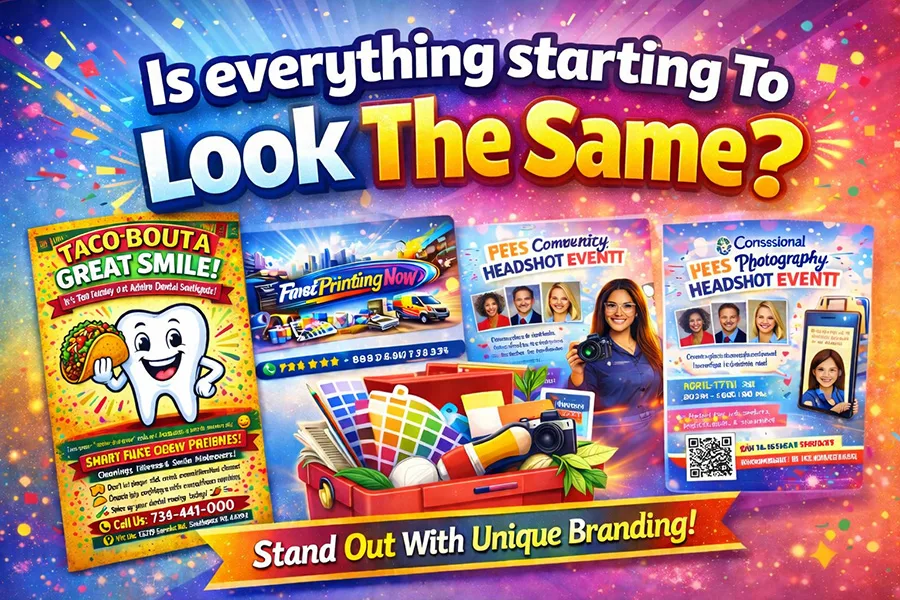
Why Everything on Social Media Looks the Same—And Why Your Brand Still Matters
Artificial Intelligence (AI) is no longer just a buzzword—it’s fundamentally transforming how we interact with the internet. One of the biggest shifts is happening right in the heart of the digital world: Google Search. As AI technology evolves, it’s reshaping search behavior, the way results are delivered, and how businesses approach SEO (Search Engine Optimization).
Is SEO for Google Dead Because of AI?
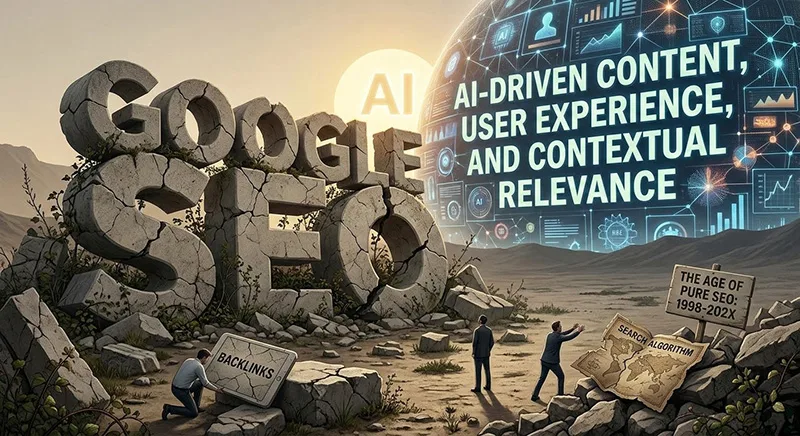
Is SEO for Google Dead Because of AI Tools? Try something simple. Open ChatGPT or Gemini and type: “What are the best plants for full shade in Michigan?” Within seconds you get a clear answer. A list of plants. Growing tips. Sometimes even images and follow-up suggestions. Now ask yourself a question. Five years ago, how would you have searched for this? You probably would have opened Google and typed something like: “best plants for full shade Michigan” Then you would scroll through a page of blue links, click a few articles, close a few tabs, and piece together the answer yourself. Today, that process often stops at the AI response. And that shift is fundamentally changing how search works — and how SEO needs to work. Search Is No Longer Just Google For nearly two decades, search followed a predictable pattern: Search a phrase on Google Scan the results page Click a website Read the content SEO strategies were built entirely around that model. If your website ranked on page one, you got the traffic. But search behavior has changed dramatically. Today people are finding answers through: AI assistants like ChatGPT and Gemini Google AI Overviews summarizing results directly on the page YouTube search for tutorials and reviews TikTok for product discovery and quick explanations Voice assistants on phones and smart devices In many cases, users never click a website at all. The information is delivered directly in the interface where they searched. This is why some marketers have started asking: “Is SEO dead?” The answer is no — but it has changed. The End of “10 Blue Links” Traditional SEO was about ranking webpages for specific keywords. But AI-driven search doesn’t just show links. It summarizes information from many sources at once. When someone asks a question, AI models may pull knowledge from: Websites Articles Forums Video transcripts Reviews Structured data Then they generate a direct answer. That means your website is no longer competing just for a click — it’s competing to become part of the information AI systems trust and reference. This is a major shift. SEO is moving from ranking pages to training the internet’s knowledge layer. Visibility Is Replacing Clicks In the past, success in SEO meant traffic. Today, visibility across platforms matters just as much. Your brand might be discovered through: An AI-generated answer A YouTube video that explains your product A TikTok showing how something works A Google AI Overview citing your content A Reddit discussion referencing your business People may see your brand before they ever visit your website. In other words, search has become distributed across the internet. What Modern SEO Looks Like Modern SEO is no longer just keyword optimization. It’s a broader content visibility strategy. Successful brands are focusing on: High-quality, expert content AI systems prioritize trustworthy, well-structured information. Topic authority Instead of one blog post targeting one keyword, websites build clusters of related content that demonstrate expertise. Multi-platform presence Search now includes video platforms, social media, and AI assistants. Structured data and clarity Content that is clearly organized and easy for machines to interpret is more likely to be surfaced. Brand signals Mentions, citations, reviews, and reputation across the web matter more than ever. AI Has Changed the Marketing Playbook AI hasn’t killed SEO — it has expanded it. Businesses that rely solely on old tactics like keyword stuffing or thin blog posts are already losing visibility. But businesses that invest in: Helpful content Educational videos consistent publishing strong brand authority are seeing their content surface in more places than ever before. AI tools are also giving marketers powerful new ways to produce content, analyze data, and reach audiences faster. The result is not the death of SEO. It’s the beginning of a much larger concept: Search Everywhere Optimization. The Bottom Line People still search for information every day. What has changed is where and how they search. Instead of simply asking Google and clicking a link, users are now asking AI, watching videos, scanning summaries, and discovering answers across multiple platforms. For businesses, that means the goal is no longer just ranking on Google. The goal is being present wherever people are searching. And in the AI era, that means creating valuable content that can be discovered, understood, and trusted — everywhere. 4. More Creative Possibilities Than Ever Before The most exciting part of these new tools? The creative flexibility they give us and not being limited by budget and knowledge. We can now generate ideas, visuals, concepts, and variations quickly—meaning you aren’t limited to one or two creative directions. You get a richer range of options, all tailored to your brand. This translates into: More standout designs More compelling advertising angles Fresh creative approaches that differentiate you from competitors Visuals and copy that feel new, dynamic, and memorable More experimentation with far less risk This expanded creative toolkit allows us to push your brand further, while staying true to your message and identity. 5. Smarter Targeting and Better ROI Across Every Ad Platform Behind every strong campaign is strong data. Our upgraded analytics and optimization tools evaluate thousands of performance signals in real time—from which audiences convert best, to which placements deliver the most value. The benefit to your business is clear: ✔ More effective ads✔ Less wasted spend✔ Stronger conversion rates✔ Advertisements that learn and improve as they run Your budget goes further because every part of your campaign becomes more precise. The Bottom Line: Better Tools = Better Marketing for You We’ve invested heavily in the latest marketing technology for one reason: to help your business grow. These tools allow us to:• Understand your audience more clearly• Craft more engaging content• Develop smarter campaign strategies• Create stronger visuals and videos• Achieve better performance across every platform None of this replaces expertise, creativity, or strategy—it enhances them. Think of it as giving your marketing team superpowers. Your brand gets more precision.Your ads get more impact.Your campaigns get better results. If you’re ready to
How New Technology Is Helping Us Deliver Better Marketing Content and Results for Your Business

How New Technology Is Helping Us Deliver Better Marketing Content & Results for Your Business Marketing is evolving fast, but the biggest shift isn’t about trends or new platforms—it’s about the powerful tools now available to create smarter, more effective campaigns. At Lakestone Digital, we’re using advanced technologies to help your business stand out, communicate more clearly, and reach the audiences that matter most. The goal isn’t to make our work faster. The goal is to make your results better. Every new tool we’ve integrated strengthens the strategy, creativity, and performance behind your campaigns. Here’s how this upgraded approach benefits you directly. 1. More Engaging Social Media That Connects With Your Audience Your customers scroll through endless content every day. To rise above the noise, posts need to be relevant, timely, and designed to grab attention instantly. New content tools help us understand what your audience responds to—and what they ignore. The result for you?• More engagement with posts tailored to real audience behavior• A stronger, more consistent brand voice• Better-performing visuals, captions, and hooks• Content that aligns with trending conversations and interests Instead of relying on instinct alone, we’re creating posts backed by insight—so your message lands where it should. 2. Elevated Video Creation and Storytelling Video has become the frontline of marketing—especially on social platforms and streaming TV. With advanced video-generation tools, we can bring concepts to life faster and more creatively than ever. Here’s how you benefit:• Higher-quality brand videos without the traditional production barriers• Multiple versions optimized for different platforms (Reels, YouTube, TikTok, CTV, etc.)• More polished visual storytelling that boosts both attention and trust• More frequent video content, helping your brand stay consistently visible This technology doesn’t just help us create content—it helps us create better content that aligns with what modern audiences want to watch. https://youtube.com/watch?v=v3a0_GRbTf0https://youtube.com/watch?v=OFi_j_sKR40 3. Campaign Ideas Informed by Market Intelligence The difference between a good campaign and a great one often starts with the idea itself. Our newer creative tools help us analyze search behavior, seasonal demand, competitor positioning, and industry trends before a campaign even begins. What this means for you: ✔ Messaging that reflects what your customers actually care about✔ Concepts shaped by real data rather than guesswork✔ Campaigns that match the moment and the market✔ More confident decisions backed by clear insights Your campaign ideas become stronger, sharper, and more strategic from day one. 4. More Creative Possibilities Than Ever Before The most exciting part of these new tools? The creative flexibility they give us and not being limited by budget and knowledge. We can now generate ideas, visuals, concepts, and variations quickly—meaning you aren’t limited to one or two creative directions. You get a richer range of options, all tailored to your brand. This translates into: More standout designs More compelling advertising angles Fresh creative approaches that differentiate you from competitors Visuals and copy that feel new, dynamic, and memorable More experimentation with far less risk This expanded creative toolkit allows us to push your brand further, while staying true to your message and identity. https://youtu.be/b5ipLb1cAgM 5. Smarter Targeting and Better ROI Across Every Ad Platform Behind every strong campaign is strong data. Our upgraded analytics and optimization tools evaluate thousands of performance signals in real time—from which audiences convert best, to which placements deliver the most value. The benefit to your business is clear: ✔ More effective ads✔ Less wasted spend✔ Stronger conversion rates✔ Advertisements that learn and improve as they run Your budget goes further because every part of your campaign becomes more precise. The Bottom Line: Better Tools = Better Marketing for You We’ve invested heavily in the latest marketing technology for one reason: to help your business grow. These tools allow us to:• Understand your audience more clearly• Craft more engaging content• Develop smarter campaign strategies• Create stronger visuals and videos• Achieve better performance across every platform None of this replaces expertise, creativity, or strategy—it enhances them. Think of it as giving your marketing team superpowers. Your brand gets more precision.Your ads get more impact.Your campaigns get better results. If you’re ready to take advantage of everything this new technology can do for your business, let’s build your next campaign together.
Streaming TV Advertising Budget Calculator

See how far your ad budget can go on major streaming TV platforms—before you book a single spot.
Launch smarter with quick, realistic estimates for impressions, household reach, and average frequency across Hulu, Disney+, Paramount+, Prime Video, YouTube on Connected TV, Roku, Tubi, Pluto TV, and all of the apps on Smart TVs and Streaming Devices
How AI is Changing Google Search and SEO

Artificial Intelligence (AI) is no longer just a buzzword—it’s fundamentally transforming how we interact with the internet. One of the biggest shifts is happening right in the heart of the digital world: Google Search. As AI technology evolves, it’s reshaping search behavior, the way results are delivered, and how businesses approach SEO (Search Engine Optimization).
Google Trends

How Small Businesses Can Use Google Trends to Stay Competitive In today’s fast-paced digital landscape, staying ahead of trends can make or break a small business. For small business owners looking to improve their marketing strategies and boost their online visibility, Google Trends is an invaluable, free tool. By offering insights into what people are searching for and peak times for specific searches, you can use the data to guide content creation, product development, and marketing efforts. Here’s how small businesses can effectively use Google Trends to thrive. 1. Use Google Trends To Identify Trending Topics in Your Industry Google Trends allows businesses to explore trending topics relevant to their products and services. By entering industry-specific keywords, you can discover what people are searching for, when those searches peak, and how interest varies geographically. For example, a small boutique selling eco-friendly products might notice a surge in searches for “sustainable gift ideas” around the holiday season. By aligning your marketing campaigns with these trends, you can capture consumer interest at the right time. 2. Analyze Regional Interests Google Trends can help identify regional interests. By using the location filter, you can see which topics or keywords are trending in your area. This insight is especially valuable for local SEO strategies and targeted advertising. For instance, in the example above you can see that the search is most popular in California, Oregon and New York. With this data in mind you can spend more of your marketing budget in those areas. 3. Create Timely and Relevant Content One of the most effective ways to engage your audience is by creating content that resonates with current interests. Google Trends highlights breakout searches—topics experiencing a sudden spike in popularity. By aligning blog posts, social media updates, or promotions with these trends, small businesses can boost engagement and establish themselves as thought leaders in their field. Final Thoughts Google Trends is more than a tool; it’s a strategic asset for small businesses looking to grow in the digital age. By providing insights into customer behavior and search patterns, it empowers businesses to make informed decisions, optimize their marketing efforts, and stay ahead of competitors. Whether you’re refining your SEO strategy, preparing for seasonal demand, or creating timely content, Google Trends can help your small business thrive in an ever-evolving marketplace.
How To Use Google Analytics To Measure Social Media Success

How Google Analytics Can Give You Insights Into Your Social Media content Google Analytics 4 (GA4) has revolutionized the way businesses track and analyze their digital performance. While traditionally associated with website traffic, GA4 offers powerful tools to measure the impact of social media marketing efforts. Using GA4, businesses can gain valuable insights into their social media audience, engagement, and conversions, enabling them to optimize their strategies for maximum impact. Understanding Your Social Media Audience One of the key benefits of using GA4 for social media analysis is the ability to gain a deep understanding of your audience. By tracking user demographics, interests, and behaviors, you can identify your target audience segments and tailor your content accordingly. GA4 allows you to: Segment your audience: Break down your audience into specific groups based on factors like age, gender, location, and device type. Analyze user behavior: Track how users interact with your social media content, including website visits, what page(s) they visit, engagment and more Identify top-performing content: Determine which types of content resonate most with your audience and focus on creating more of it. Tracking Conversions and ROI Ultimately, the goal of social media marketing is to drive conversions, whether it’s website traffic, leads, or sales. GA4 enables you to track the entire customer journey, from initial social media exposure to final conversion. By setting up conversion events and goals, you can measure the impact of your social media efforts on your bottom line. Some key conversion metrics to track include: Website traffic: The number of visitors driven to your website from social media. Engagement Time: How long do users spend on each page. Lead generation: The number of leads generated through social media campaigns. Sales: The revenue generated from social media-driven sales. App installs: The number of app installs attributed to social media campaigns. By analyzing these metrics, you can calculate the return on investment (ROI) of your social media campaigns and allocate your budget effectively. Google Analytics 4 is a powerful tool for understanding and optimizing your social media performance. By tracking audience behavior, engagement, and conversions, you can make data-driven decisions to improve your campaigns and achieve your marketing goals. By integrating GA4 with your social media tools, you can gain a comprehensive view of your digital marketing efforts and drive sustainable growth.Using